Flea Treatment In Sarasota
Interior and yard treatment timed around the pupal stage, which is why one visit is never the whole job.
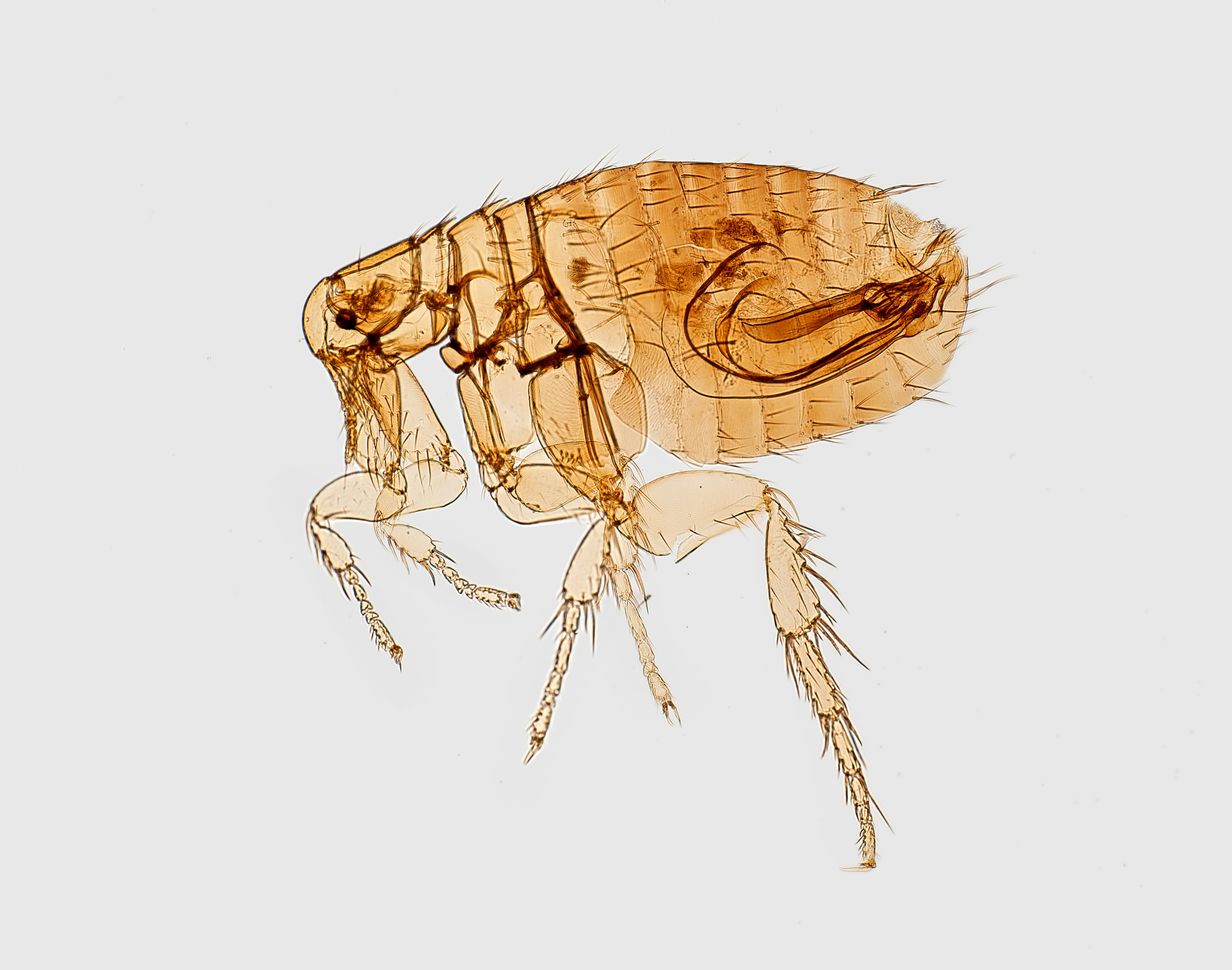
Almost every flea case in Florida homes is the cat flea, regardless of whether you have a cat, a dog or neither. It is the species that infests both, and it is the one that turns up in houses where the previous occupants had a pet.
The part that catches people out is where the fleas actually are. The adults on the animal are a small fraction of the population. The rest is eggs, larvae and pupae in carpet, bedding, upholstery and the shaded parts of the yard, because eggs are laid on the animal and fall off wherever it rests.
Pupae are the reason flea work takes more than one visit. The pupal case is resistant to insecticide, and pupae can stay dormant for weeks until vibration or warmth tells them a host is present. That is why a house can look clear for ten days and then produce a fresh wave, and why any treatment plan that ignores the timing fails regardless of the product used.
Interior treatment of carpet, upholstery, pet resting areas and floor edges
Insect growth regulator to break the cycle rather than only killing adults
Yard treatment of shaded harbourage where larvae survive, not open lawn
A scheduled follow-up timed to the pupal window
Written preparation guidance, including vacuuming before and after
Coordination advice so household treatment and veterinary treatment line up
Fleas Rebound Unless The Timing Is Right
Flea populations are mostly invisible. Treating what you can see, once, is the single most common reason an infestation comes back two weeks later.
Most Of The Population Is Not On The Pet
Adults on the animal are a small share of the total. The rest is eggs, larvae and pupae distributed through carpet fibres, bedding, upholstery seams and shaded soil outdoors. Treating only the animal leaves the great majority of the population untouched.
Pupae Survive Treatment
The pupal case resists insecticide, and pupae can remain dormant for weeks. They emerge in response to vibration, carbon dioxide and warmth, which is why a house that felt resolved produces a fresh wave when people walk through it again. Follow-up timing exists specifically because of this stage.
They Bite People Too
Cat fleas readily bite humans, typically around ankles and lower legs. Some people react strongly, and flea allergy dermatitis in pets causes persistent scratching and skin damage well beyond the irritation of the bites themselves.
The Yard Reinfests The House
Larvae cannot tolerate direct sun, so they survive in shaded soil, under decks, along fence lines and in the beds where pets lie down. Treating indoors while ignoring those areas means the animal carries the population back in within days.
Foggers and bombs do not penetrate carpet fibre, upholstery seams or under furniture, which is where larvae actually are
Adult-only products leave eggs, larvae and pupae untouched, so the population reloads
Treating the pet without treating the house addresses a small fraction of the total population
One treatment with no follow-up misses the pupal emergence entirely
Spraying open lawn misses the shaded harbourage where larvae survive
Treat Indoors, Outdoors, And Again On Schedule
Flea work is judged on the follow-up as much as the first visit, because of how the life cycle is structured.
01
Interior Treatment
Carpet, rugs, upholstery, floor edges and pet resting areas are treated, combined with an insect growth regulator that prevents eggs and larvae developing into adults. You are asked to vacuum before and after, which both removes eggs and stimulates pupae to emerge into treated surfaces.
02
Yard Treatment
Outdoor work targets the shaded harbourage where larvae can survive, such as under decks, along fence lines, in landscape beds and wherever the animal habitually lies down. Open sunlit lawn is not treated, because larvae do not survive there.
03
Follow-Up Timing
A scheduled return visit lands in the window when surviving pupae have emerged and are vulnerable. This is the step that separates a resolved infestation from one that reappears, and it is included rather than sold afterwards.
Adult activity drops sharply within the first several days
Growth regulator prevents eggs and larvae reaching adulthood
Follow-up visit timed to pupal emergence, included in the price
Shaded yard harbourage treated so the pet does not carry it back in
Written preparation and vacuuming guidance so the treatment is not undermined
How It Goes, Start To Finish
STEP 01
Tell Us About The Household
How many pets, whether they go outdoors, where they sleep, and whether anyone is being bitten. If your vet has already started treatment, tell us so we can line the timing up rather than duplicate it.
STEP 02
Inspection And Preparation
We identify the resting areas and harbourage indoors and out, then give you written preparation guidance, including vacuuming and laundering, before the visit.
STEP 03
Interior And Yard Treatment
Carpet, upholstery and pet areas are treated with a growth regulator included, and shaded outdoor harbourage is treated the same day so the two halves are not out of step.
STEP 04
Scheduled Follow-Up
We return in the pupal emergence window to treat the wave that survived the first visit. This visit is part of the job rather than an extra.
Why Our Flea Work Holds
Growth regulator included, so the cycle breaks rather than the adults simply being knocked down
Follow-up timed to pupal emergence and included in the price, not sold afterwards
Yard harbourage treated so the animal does not carry the population straight back in
Shaded areas targeted rather than open lawn, because that is where larvae survive
Preparation guidance in writing, since vacuuming genuinely changes the outcome
We coordinate with your vet's timing rather than working against it
Covered On Every Plan
Interior and yard treatment with the scheduled follow-up visit included. Final price depends on square footage and how much shaded yard needs treating.
Interior treatment of carpet, upholstery and pet resting areas
Insect growth regulator to break the life cycle
Shaded yard harbourage treatment
Scheduled follow-up visit timed to pupal emergence
Written preparation and vacuuming guidance
Free re-service between visits
Book A Flea Treatment
From $175 with the follow-up visit included, because one treatment was never going to be the whole job.

Recent Blog Posts


Serving Sarasota County
SENTRY
PEST CO
Straightforward pest control for Sarasota County. One technician, one route, no rotating names.
Sarasota & Manatee Counties
© 2026 Sentry Pest Co. All rights reserved.
Privacy Policy
Terms of Service